Click here to sign up for our free daily newsletter
TREATY TEN PANDEMIC COUNCIL

Northern leaders call for provincial cooperation after checkpoint complaints

May 11, 2020 | 4:22 PM

Northern Municipalities, First Nations and Métis community leaders are concerned people are being unfairly treated when leaving their community to purchase essential goods.

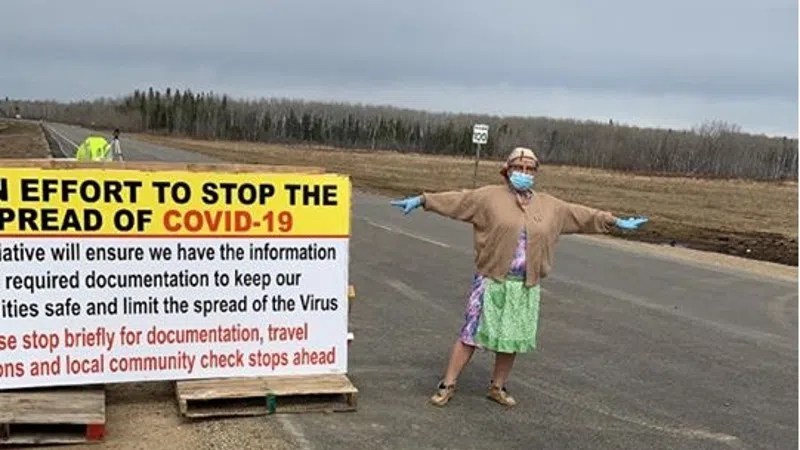
Meadow Lake Tribal Council Chief Richard Ben told meadowlakeNOW members of the communities would like to see enhanced cooperation with the province when it comes to enforcing checkpoint restrictions. Tribal leaders have expressed concern about a lack of involvement and understanding when it comes to enforcing regulations as some individuals leaving their respective communities say they are being treated unfairly by the people staffing the checkpoints.

“We feel we’re not being involved and some of our members are getting fined big tickets and a lot of them don’t have jobs and are looking at fines upward of $2,000,” Chief Ben said. “I’m happy we’re coming together but we have to get the province involved in those conversations. I know they’re making the calls and updating us but we want to be a part of the decision-making.”

While most Indigenous communities have restricted access into reserves, they are also limiting the number of people who are able to leave to purchase necessities while far northern communities grapple with soaring numbers of COVID-19.


“We really do not want to fight but rather have a look at a collective way to come up with solutions,” he said. “It’s really affecting our communities and we want to be involved in the process.”

Ben said local First Nations are doing a fine job at keeping their communities secure in a dignified manner, though smuggled booze is still making its way through checkpoints while people who are shopping for essentials within the curfew parameters are being ticketed.

He added keeping the checkpoints staffed at all hours is proving to be costly and dipping into program service dollars will lead to a lack of funding for other programs.

“The money that comes to the communities is good, though that’s supposed to go to stockpiling food and cleaning supplies and a lot of our Frist Nations are using it for security which is a good thing,” he said. “First Nation checkpoints are secure in the way of asking where I’ve been and what I’m doing in a very respectful manner but the way some people are being treated is very frustrating.”

Calls for Action

In a statement issued to Dr. Shahab, Chief Medical Health Officer with the Saskatchewan Health Authority (SHA) and other provincial bodies, The Treaty Ten Pandemic Council outlined its need for enhanced communication, responsiveness and collaboration with members.

The letter indicates three areas the province has not yet addressed, and all three are essential to “flattening the curve” by supporting vulnerable people, and reducing peoples’ needs to travel:

  • Food security, compounded by store closures, and lockdown preventing people from travelling to Meadow Lake for groceries — a normal activity.
  • Complete disintegration of home care services under the SHA, leaving elderly and vulnerable people without supports.
  • Inadequate mental health supports in the stress and pressured pandemic conditions, and given the high propensity for suicide and mental health conditions in Indigenous populations.

“We can understand the temptation to blame us for complex issues in the North West. Many people in the province are expressing this attitude, and this is not only deeply painful to us, but also dangerously divisive to the social fabric of our province,” the letter said.

In addition to clear communication and understanding toward the province’s approach to the pandemic in the Far North, Northern communities are asking for a single point of contact between Indigenous leaders and the province.

You can find the complete letter to the SHA from Treaty Ten Pandemic Council here.

nicole.reis@jpbg.ca

Twitter: @nicolereis7722