Click here to sign up for our free daily newsletter
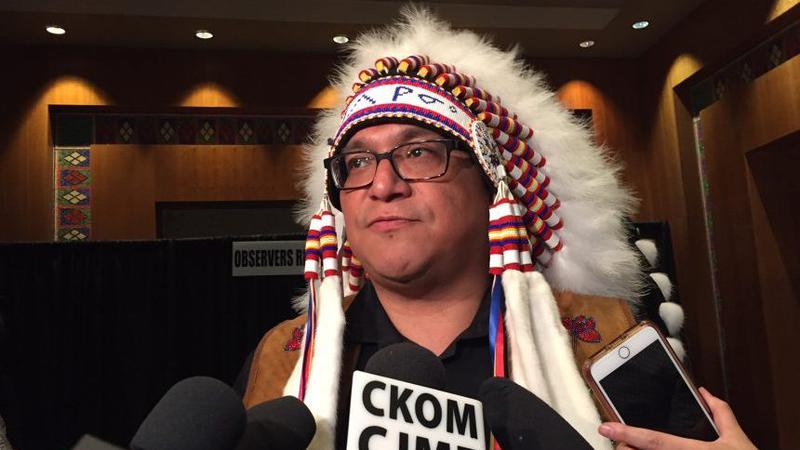
(File photo/650 CKOM)
HISTORIC COMPENSATION

‘It’s a great day’: FSIN reacts to federal compensation agreement for First Nations children

Jan 4, 2022 | 6:00 PM

The Federation of Sovereign Indigenous Nations (FSIN) is calling the government’s Child Welfare agreement the beginning of a better quality of life for First Nations children.

On Tuesday morning, the Liberal government announced more details on a $40 billion compensation plan for those affected by underfunding of the welfare system.

The package will include $20 billion in compensation to children, families and caregivers and another $20 billion to reform the system over five years.

“It’s a great day, we’re very pleased with the announcement,” said FSIN Vice-Chief David Pratt. “Very pleased that they’re moving forward on Truth and Reconciliation.”

Pratt went on to say they look forward to working with the federal government on prioritizing the funding, making sure it’s not only adequate but that it exceeds what’s required to provide services and supports for Indigenous children.

“We envision a new path forward with meaningful dialogue to prevent the harm that has been experienced by First Nations children. We need to help our children and young people rebuild their lives through reconnection in First Nation communities, revitalization in culture, languages, and traditions.”

While the announcement is a positive step for First Nations families, FSIN Chief Bobby Cameron said reforming the system is long overdue as for decades, the Child Welfare system has been plagued by racist and discriminatory practices and policies affecting thousands of children across Canada.

“Discriminatory funding and other racist decisions have led to a massive over-representation of First Nations children in the system, all at the hand of a federal child welfare system that should’ve protected them. The root is colonial practices and policies administered directly by Canada,” Cameron said.

“The healing journey begins by keeping First Nations children and young people within our own families and communities.”

The government says final settlement agreements must still be negotiated over the coming months and the money will flow once these agreements are reached and the necessary court and human rights orders have been made.

Reports say the Assembly of First Nations (AFN) has estimated more than 200,000 children and youth could be eligible for compensation.

In 2016, the Canadian Human Rights Tribunal ruled that $40,000 should go to each First Nations child who was placed in foster care unnecessarily.

With files from The Canadian Press

panews@pattisonmedia.com

On Twitter: @princealbertnow