Click here to sign up for our free daily newsletter
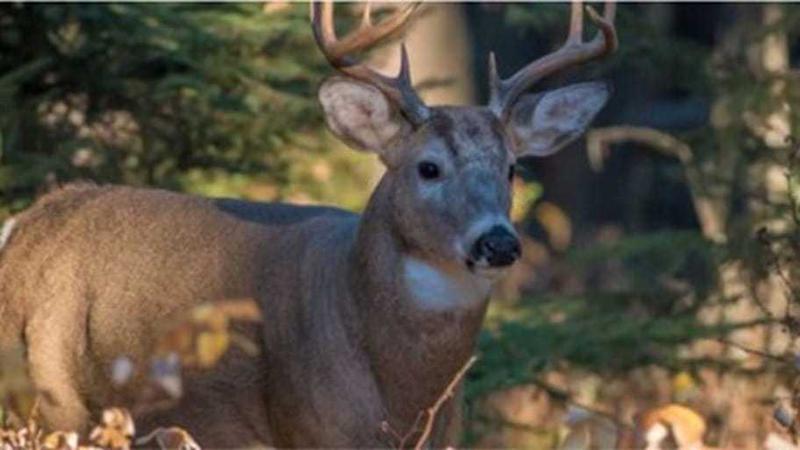
(submitted/Sask Ministry of the Environment)
Disease testing in wild animals

Some northern hunters must have animals tested for chronic wasting disease

Nov 5, 2025 | 12:50 PM

Hunters across north central Saskatchewan are being required to submit the heads of all cervids to test for Chronic Wasting Disease.

The affected zones include Nipawin to Melfort (WMZ 43), Turtleford to St. Wahlburg (WMZ 47), Fort al la Corne between Prince Albert and Melfort and north (WMZ 50) and Meadow Lake to Loon Lake (WMZ 55)

Saskatchewan’s Ministry of the Environment said that is the boreal transition zone but hunters in the eastern border area of the province also need to provide samples for testing of bovine tuberculosis (TB).

“Hunters are integral to our efforts to track and manage CWD,” Environment Minister Travis Keisig said in a news release.

“In the last year, we received more than 2,000 submissions to the CWD hunter surveillance program – proof of just how dedicated the hunters of Saskatchewan are to protecting wildlife in this province. We are sincerely grateful to all who contributed to this ongoing effort.”

Cervids that are regularly hunted in Saskatchewan include moose, elk, white-tail and mule deer.

While the listed zones have mandatory testing, the ministry encourages voluntary submission from across the province.

The data from submissions helps track and identify hot spots for both conditions. With bovine TB, they are monitoring to make sure Saskatchewan stays free of the disease.

To get a game head tested, hunters have one month from the time of the harvest or January 21, 2026, whichever is earliest.

They register online at cwdsk.ca where they will get a unique tracking number that is then dropped off with the head at any designated drop-off location. Testing is free.

CWD is a serious neurological disease and is fatal to the animal. Knowing where it exists helps the province plan their conservation and management efforts.

It is a prion disorder related to scrapie in sheep and mad cow in beef.

No human cases of CWD have yet been confirmed and risk of transmission is low, but hunters are still advised to not consume or share the meat from animals that test positive.

Visit saskatchewan.ca/cwd for sampling instructions, drop-off location maps and test results.

Hunters in bovine TB testing zones who wish to retain their head for a Euro mount, can visit sampling stations on select dates.

If your animal tests positive for CWD, the carcass and meat should be properly disposed of; small amounts of processed meat can be double-bagged and placed in regular household waste.

Larger quantities of meat or whole carcasses should be taken to a landfill or a Ministry of Environment carcass disposal bin.

Please check with the local landfill rules before disposal, as not all facilities accept animal carcasses.

Bovine TB primarily affects cattle and other mammals such as bison and elk; moose and deer are also susceptible. However, bovine TB has never been detected in Saskatchewan wildlife. Ongoing surveillance and rigorous testing protocols continue to ensure our animals remain healthy.

If you suspect your harvested animal has bovine TB, please take a photo and email it to the Ministry of Environment at centre.inquiry@gov.sk.ca, or contact the Canadian Wildlife Health Cooperative at 306-966-5815.

susan.mcneil@pattisonmedia.com