Click here to sign up for our free daily newsletter

Métis Nation of Ontario say academic gathering is an attempt to erase their history

Dec 13, 2025 | 5:00 AM

OTTAWA — Members of the Métis Nation of Ontario say an upcoming academic summit in the province amounts to an attack on their history because it questions the legitimacy of their connection to Métis heritage and territorial claims.

But the First Nations organizers of the summit say they are using the event to safeguard their territories from what they call an infringement on their rights.

The event, set for Saturday and Sunday in Sault Ste. Marie, is being hosted by Robinson Huron Waawiindamaagewin, an organization created by the 21 First Nations signatories to the Robinson Huron Treaty.

The sold-out event — the “(Un) Making of Métis Claims in Ontario Forum” — is set to hear from academics who researched claims made by the Métis Nation of Ontario and who question the nation’s six new communities, which were recognized by the province in 2017.

Sam Manitowabi, a senior policy analyst with Robinson Huron Waawiindamaagewin, told The Canadian Press this summit can help ensure the First Nations’ side of the story is heard.

First Nations in the region argue the communities represented by the Métis Nation of Ontario are illegitimate and are encroaching on their territories.

“The elders in our communities have their oral history — they’re historians,” Manitowabi said.

“And if there were Métis communities in our territory, there would be stories about them. There would be recorded and oral histories of these communities. But there’s none.”

The summit is the latest episode in a battle that came to a head in 2023, when the federal government was attempting to pass legislation that would recognize the Métis Nation of Ontario’s right to self-government.

That legislation ultimately failed to become law due to fierce opposition from First Nations and other provincial Métis groups who pulled their support from the bill.

Now, First Nations say they fear the federal and provincial governments will end up consulting the Métis Nation of Ontario on major projects in a way they argue is unwarranted and could undermine their own efforts.

The Métis Nation of Ontario, representing Métis in the province, was founded in 1993 to provide a political voice to people often described as “forgotten” when compared to First Nations and Inuit bodies which signed treaties with the Crown that allow for a distinct relationship and the recognition of rights.

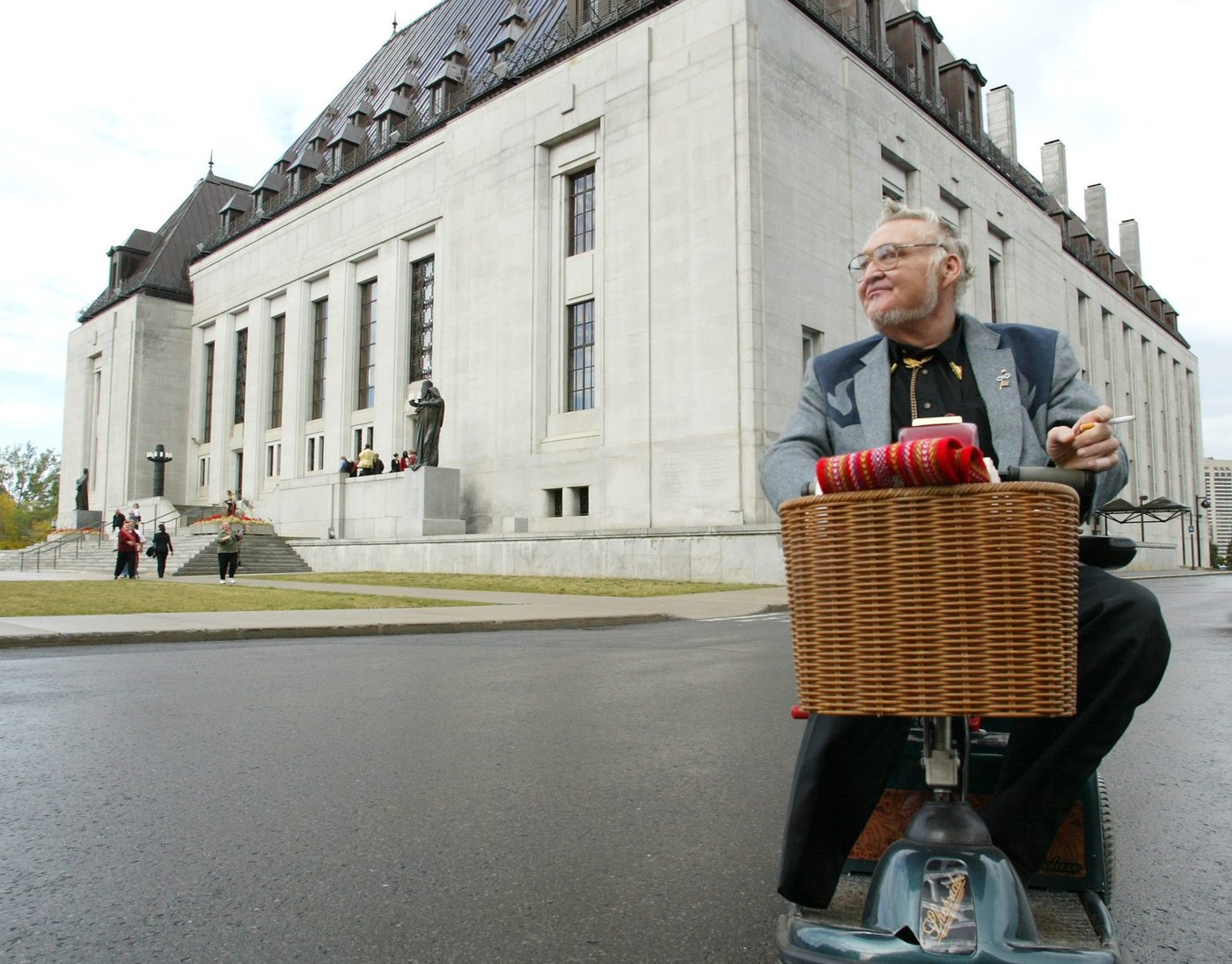
It was consequential in securing the first Supreme Court of Canada ruling affirming Métis rights. That landmark case — the Powley case — laid out a framework to identify a Métis individual or community — the Powley Test — and recognized a Métis community in and around Sault Ste. Marie, Ont.

While First Nations leaders stood with the Métis Nation of Ontario throughout that decade-long battle, relationships soured after the province recognized six new Métis Nation of Ontario communities in 2017.

Those new communities stretch close to the Quebec border and changed the shape of what was thought to be the Métis homeland — along with norms established by other provincial Métis groups who cut ties with the Ontario group and now question the decisions that led to the recognition of those communities.

The Métis Nation of Ontario has consistently defended itself from its critics and dismisses the research done by First Nations academics rejecting the existence of those Métis communities as politically motivated.

“To have this conference in my hometown is a personal attack on my family, on my Métis community and our citizens,” said Kim Powley, daughter of Steve Powley, who brought his hunting rights case to the Supreme Court and won.

“Our existence is not a subject of political opinion or debate.”

Anishinabek Nation Regional Chief Scott McLeod disagrees.

“The truth needs to come out,” said McLeod, the former chief of Nipissing First Nation, which is a signatory to the Robinson Huron Treaty.

“The only reason the MNO exists is because of the provincial and federal recognition that they got, and that recognition was given without any due diligence on determining the actual verification of what they were presenting as history.”

First Nations point to a growing body of research they’ve commissioned that calls into question the existence of historical Métis communities in their territories.

In July, history professor Leila Inksetter of the University of Quebec in Montreal released a report drafted on behalf of the Wabun Tribal Council that concluded there is no evidence of a mixed-ancestry community in the Wabun Tribal Council’s territory in northeastern Ontario.

Another report, published this year and commissioned by Saugeen Ojibway Nation, concluded there is no evidence of a distinct Métis community in their territory in southwestern Ontario.

“There was no Métis in our area, but there was a lot of what was referred to as ‘mixed blood’ or ‘half-breeds,’ and some were segregated from our community through legislation — the Indian Act,” McLeod said.

“And when that would happen, back then, a lot of the times they would become outcasts from the community, only to be welcomed back years later when legislation changed and we started fighting back and taking ownership of our own citizenship.”

Mitch Case, a regional councillor for the Huron-Superior regional Métis community and co-provincial secretary of rights, intergovernmental relations and communications, said that argument amounts to an attempt to rewrite history.

“It’s disappointing and it’s gross,” Case said in an interview.

“To have people spend their time, their money, their energy to just relentlessly attack the history of our community, the history of our people, to go online and quite frankly bully and harass many of our citizens because they don’t like the way that person identifies based on their family history — their community history — is having a significant impact on the mental health of a lot of our citizens.”

He said Métis in the province are ready to sit down with First Nations and work through their conflict but have been rebuffed by the same people hosting the weekend conference.

“If they’re so concerned about us, why won’t they meet with us?” Case asked.

The conference will hear from nearly two dozen academics, chiefs and community members through panels on the history of the Métis Nation of Ontario, the history of enfranchisement of First Nations women and the Powley decision.

Organizers are hoping to pass a resolution at the end of the conference Sunday that affirms their opposition to the Métis Nation of Ontario, as they did during a similar summit held last year in partnership with the Manitoba Métis Federation.

Manitowabi said Métis Nation of Ontario citizens or leaders are welcome to attend.

“It’s (about) protecting our identity, and asserting our jurisdiction over our treaty territory,” Manitowabi said.

“We’re just doing our best to protect our inherent rights.”

This report by The Canadian Press was first published Dec. 13, 2025.

Alessia Passafiume, The Canadian Press