From lake to plate: Wild rice harvesting draws Indigenous people to the land
-
Share on Facebook
-
Share on Bluesky
-
Share on X
- Copy Link
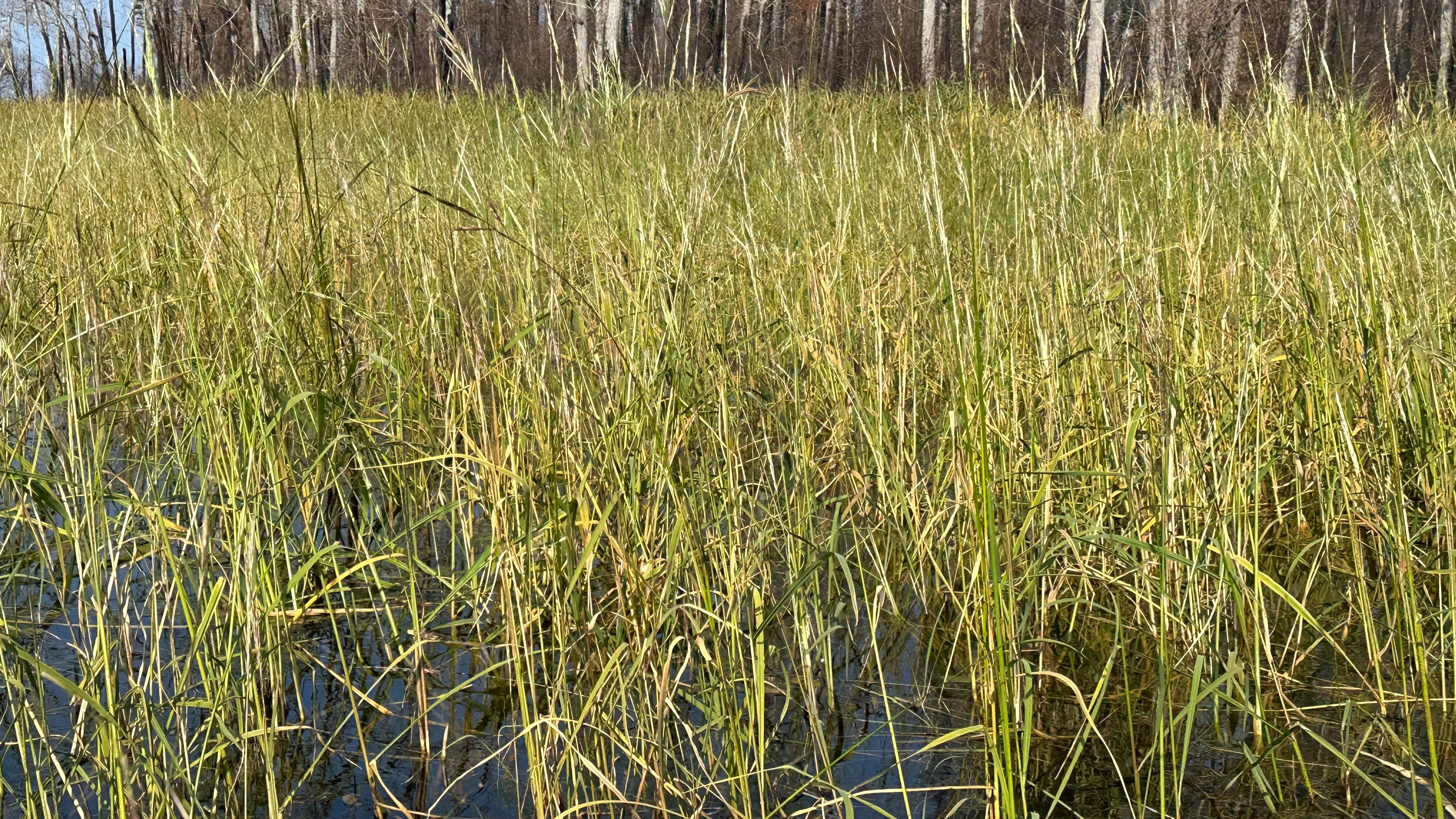
Northern Saskatchewan is known for its vast landscape of boreal forest and tens of thousands of lakes, but it is also home to Canada’s largest crop of wild rice.
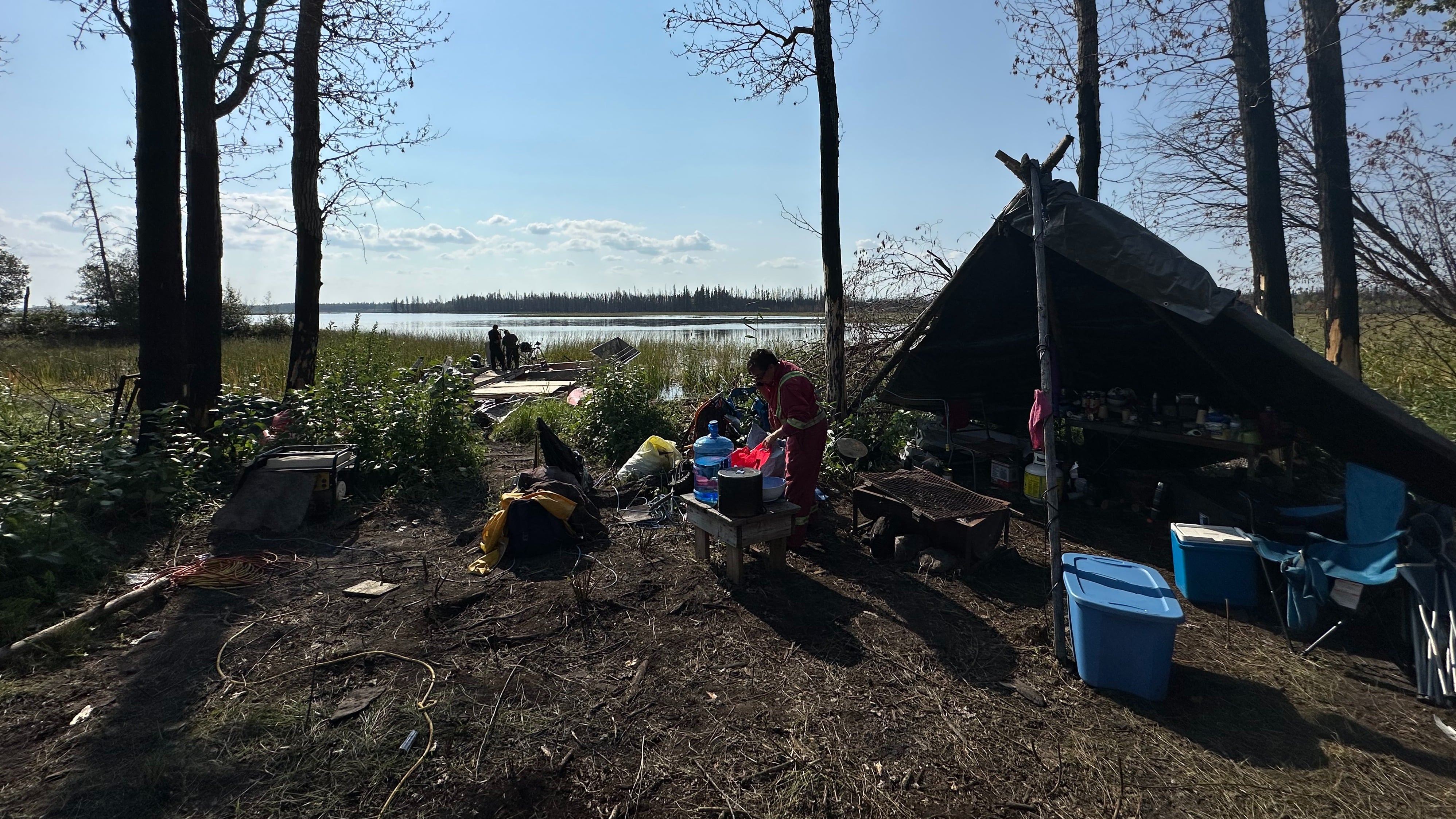
Every year, hundreds of people take to the land in late August or early September to attend to the wild rice harvest. It is an important economic driver for northerners who sell the rice to buyers, who in turn distribute it to companies in Europe, the United States and mostly China.
Wild rice production began to surge in the 1970s with the introduction of propeller-driven airboat harvesters, which significantly improved performance and increased harvesting efficiency. The Roberts family in La Ronge began harvesting rice on Bigstone Lake around that time.
“I would say a lot of Indigenous people do it, that’s for sure,” Jenna Roberts explained.