Click here to sign up for our free daily newsletter
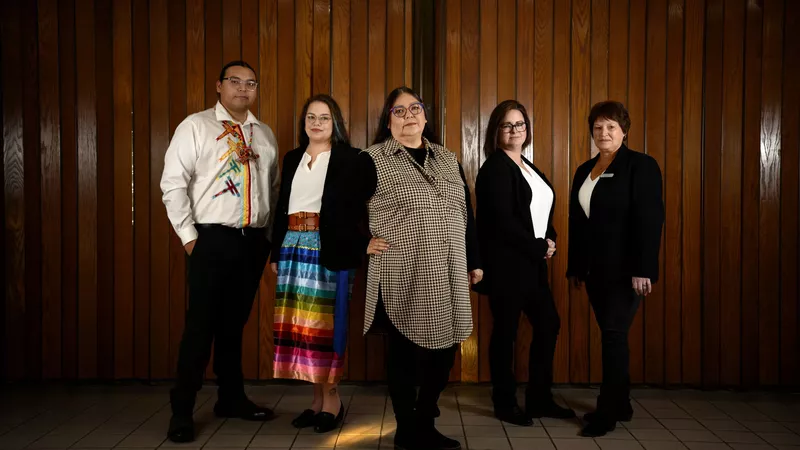
North Star is Canada’s first majority Indigenous-owned high-quality carbon dioxide removal project, combining carbon capture and storage (CCS) with the existing MLTC Bioenergy Centre, according to the company. (Image Credit: Meadow Lake Tribal Council)
transparency

Meadow Lake CO2 pipeline proponents outline safeguards amid safety concerns

Oct 7, 2026 | 4:49 PM

The proponents of a carbon dioxide pipeline and storage project near Meadow Lake are outlining leak-detection and groundwater safeguards as residents seek answers about emergency response and drinking-water protection.

The North Star project team said the pipeline route has not been finalized and options are being discussed with landowners.

A partnership between the Meadow Lake Tribal Council and Carbon Alpha, a subsidiary of carbon-capture provider Svante, North Star would transport captured CO2 from the MLTC Bioenergy Centre beside NorSask Forest Products to permanent underground storage.

The team said it plans to inject up to 200,000 tonnes annually over a 30-year operating life, totalling six million tonnes. The project remains in its engineering and design stage, with permits, financing and grants required before a final investment decision.

Area resident Amanda McKay wants to know how emergency crews would respond to a substantial release and how nearby water supplies would be protected. She said the proposed pipeline does not pass by her home, but she has friends along its proposed route.

Her concerns include wet ground around Meadow Lake and whether underground injection could cause earthquakes. She cited a CO2 pipeline rupture in Mississippi as one reason she wants local emergency preparations explained.

Back in 2022, a CO2 pipeline ruptured near Satartia, Miss., on Feb. 22, after heavy rain triggered a landslide. The release created a low-lying gas cloud and disrupted vehicle engines. About 200 people were evacuated and 45 were taken to hospital. No deaths were reported. 

U.S. regulators found operator Denbury had not informed local emergency responders of the rupture or the pipeline’s specific safety risks. The company was later assessed a US$2.87-million civil penalty.

McKay said representatives at an information meeting provided scientific explanations about the proposed project’s scale and geology, but she had not been shown a safety plan.

“I wasn’t really given any clear answers into how our community was going to be protected.” 

In written answers to questions about safety, the North Star team said its emergency plan would include detecting a release, shutting down the pipeline, notifying landowners and emergency responders, and taking protective action in the field.

“An Emergency Response Plan will be developed before the Project begins construction and operation.”

It said the local fire chief had been introduced to the project and CO2 safety, with an agreement to work together on emergency procedures and possible future practice exercises.

It said specific emergency-response plans would be discussed with nearby residents, without explicitly committing to making the full plans publicly available.

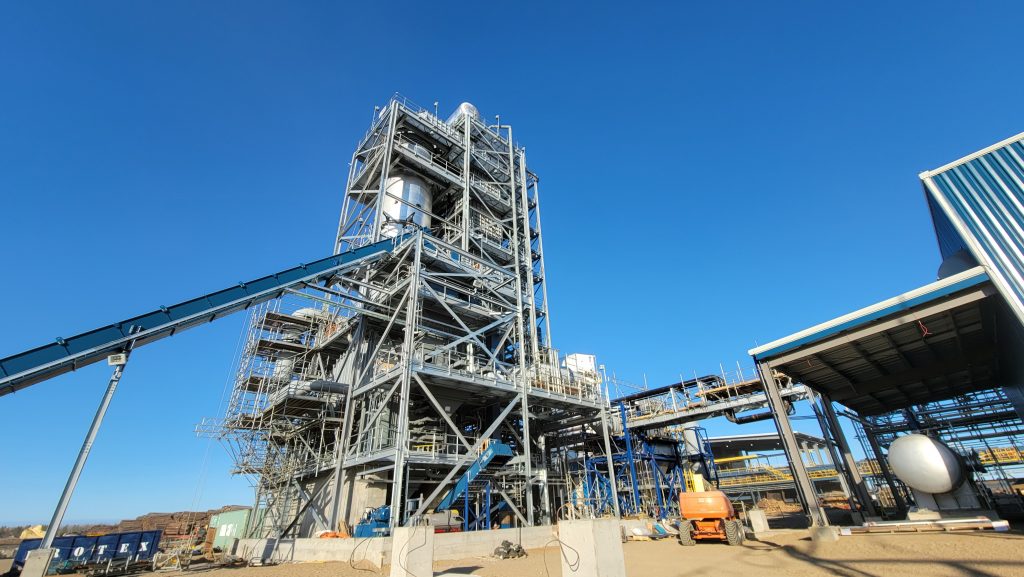
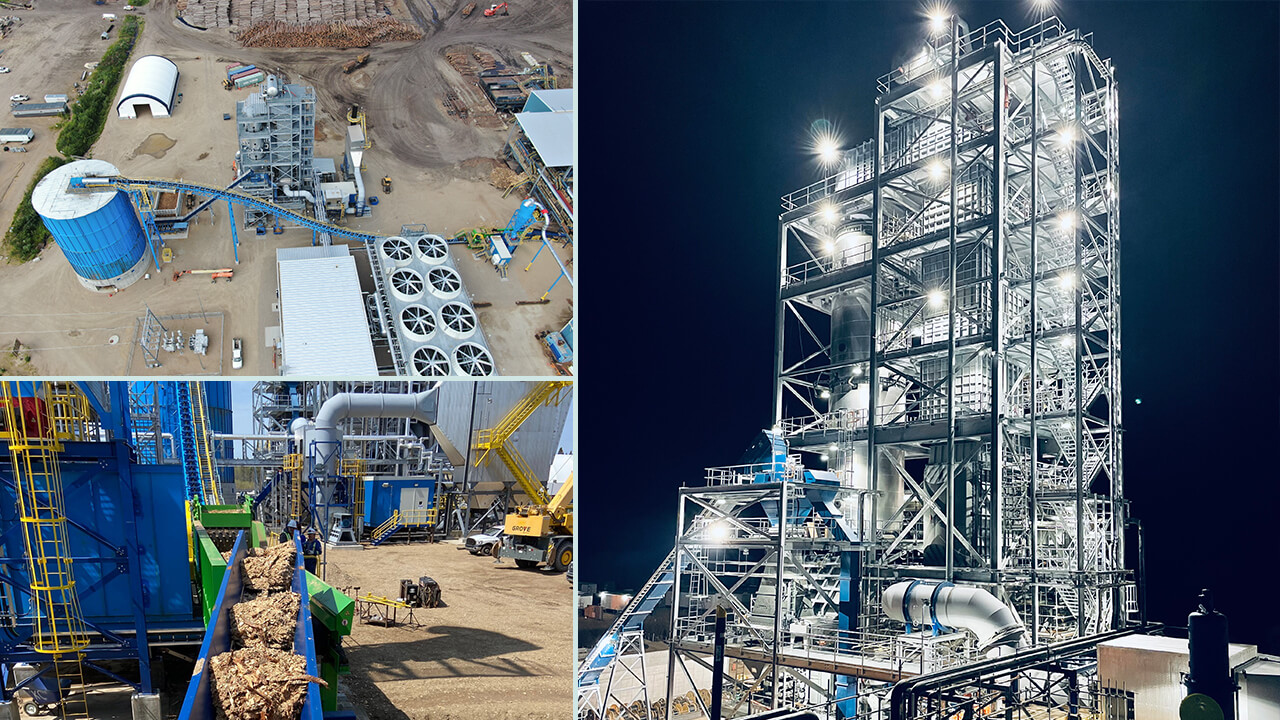
North Star is Canada’s first majority Indigenous-owned high-quality carbon dioxide removal project, combining carbon capture and storage (CCS) with the existing MLTC Bioenergy Centre, according to the company.
North Star is Canada’s first majority Indigenous-owned high-quality carbon dioxide removal project, combining carbon capture and storage (CCS) with the existing MLTC Bioenergy Centre, according to the company. (Image Credit: www.carbonalpha.com)

Norm Sacuta, a communications representative with the Petroleum Technology Research Centre, said communication with communities and emergency responders is important so they understand where a pipeline is and how to respond to a release.

Sacuta spoke primarily about the centre’s experience with Aquistore, a deep underground storage and research project connected to SaskPower’s Boundary Dam carbon-capture facility. 

He said leakage is the principal concern with CO2 pipelines. Carbon dioxide is nonflammable, but a substantial release from a pressurized pipeline can cause asphyxiation. 

North Star’s proposed pipeline safeguards include drying the CO2 before transport, using steel selected to resist fracture, protection against external corrosion, and round-the-clock fibre-optic monitoring from a control room.

The team also plans flow monitoring to help detect leaks and internal corrosion inspections every few years. Restrictions on digging and future development around the pipeline right-of-way would be established.

For groundwater protection, the team said it used Saskatchewan Water Security Agency data to map regional aquifers and selected a storage location in the provincial forest south of Meadow Lake.

It said a data-collection well was permitted and drilled in March 2026, confirming suitable geology for CO2 storage. The intention is to convert that well for injection, which is located just off Highway 4, about 20 kilometres south of Meadow Lake.

The project team said shallow drinking-water zones are separated from the deep subsurface by hundreds of metres of shale. Steel casing was permanently cemented through the upper section of the well to a depth of more than 200 metres.

Planned water monitoring includes regular testing of private wells in partnership with landowners and dedicated monitoring wells with sensors tracking water chemistry.

Sacuta said Aquistore established baseline water and soil-gas measurements before injection began and has continued sampling to check for changes. Steel casing, cement and equipment inside the well help protect groundwater and detect unexpected movement, he said.

He said Aquistore had not detected a leak during 10 years of injection.

On earthquake risk, the North Star team said pressure tests, laboratory tests on rock samples and modelling indicated the reservoir and sealing rock could withstand pressures above its planned injection limits without fracturing or triggering fault movement.

It described the risk of earthquakes felt at the surface as very low. Fibre-optic cables in the injection well and shallow underground listening stations would provide continuous monitoring, with an alert system allowing operators to adjust injection as conditions change.

Sacuta said injection-related seismic risk depends on the site, making geological testing important to establishing suitable pressures and volumes.

“You’re not just going to to just inject without having characterized the injection location.”

The North Star team said its sandstone reservoir averages more than 160 metres thick. Simulations indicate the area occupied by stored CO2 would be about three kilometres across after 30 years, beneath more than 200 metres of shale seals.

Other planned containment checks include measurements of pressure and temperature inside the well, repeated seismic surveys to track the stored CO2, soil-gas testing, air monitoring and physical inspections.

The team said its monitoring program would be subject to national storage standards and annual audits by Saskatchewan’s Ministry of Energy and Resources. Its written response summarizes testing and modelling but does not include the underlying technical studies.

Sacuta also pointed to potential employment and climate benefits. He said capturing CO2 from burning biomass, such as wood, could remove carbon already circulating in the biosphere, rather than simply prevent fossil-fuel emissions from entering the atmosphere.

He said he had spoken with North Star representatives at conferences and expressed enthusiasm for the Indigenous-led project.

“This is going to lead the world in biomass carbon capture and storage,” Sacuta said. 

North Star said engagement with landowners, occupants, residents and Indigenous communities is continuing.

McKay said she intended to bring her questions to rural municipal council so the community could understand the risks and prepare.

“So that’s been my biggest goal is to ask these questions so that we all kind of understand what’s going on and what kind of risks we may be taking.”

—

Kenneth.Cheung@pattisonmedia.com