Click here to sign up for our free daily newsletter
(Dreamstime/96229700)
Diphtheria

Diphtheria cases reported at Onion Lake First Nation

Jan 22, 2020 | 12:27 PM

Two cases of diphtheria have been reported within the last four weeks at the Onion Lake First Nation.

Dr. Ibrahim Khan, the regional medical health officer with the First Nations and Inuit Health Branch told meadowlakeNOW, both infections reported were separate cases. One person infected is an individual under 18 years of age and the other is a 52-year-old man. Both cases reported have adequately healed, Khan said.

“These are skin diphtheria cases. It presents itself as a wound or an ulcer on the skin or surface of the body. Immunization plays a big role,” he said.

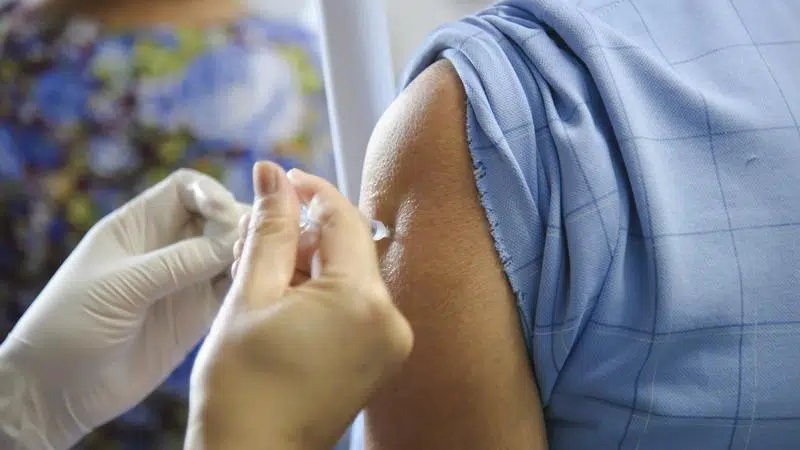
Khan said most children begin immunization after two months of age. People moving, migrating, and lifestyles present a challenge in keeping up to date medical records and therefore some people are not adequately immunized.


“We’re trying to take the opportunity to promote vaccines in the community and bring everybody up to speed and up to date on vaccinations, particularly children,” Khan said.

Older adults may present a compromised immunity and Khan said an individual who has not had a booster shot within the last 10 years, would benefit from doing so.

“In some situations, if a doctor is unable to determine the cause of longstanding lesions on the skin, [patients] are swabbed and based on the results, an antibiotic would be prescribed,” he said. “It’s also how people manage wounds at home. Any non-healing wounds, skin lesions or ulcers need to be investigated.”

The doctor noted in one of the cases, the patient had a few lesions on their arms and legs which were swabbed. An antibiotic was immediately prescribed.

“The other good thing is that vaccines can also play a big role in prevention and healing, but also antibiotics and a timely diagnosis can play a role,” Khan said.

If diphtheria is untreated it can spread to other parts of the body, including organs and it can be deadly.

“This is something we don’t see frequently. The message to all communities is to speak with a nurse and ensure everyone is up to date with immunization,” he said. “Second, if you have any wounds or lesions on the skin, check with your doctor, not just for diphtheria but for other health reasons and ensure wounds are clean, covered and healing properly.”

Hygiene plays a role in disease prevention

“The more you touch something, the more you need to wash your hands, particularly members of large families,” he said.

Khan said the reason diphtheria is reported now to public health is because it is highly contagious and can spread very quickly.

“If there is an open wound that has been diagnosed with diphtheria, there are proper ways to manage that wound,” he said. “The care provider needs to observe certain precautions. Also, the patient needs to be adequately instructed that hand hygiene is important as well as keeping the wound clean and ensuring the wound is covered does not come in contact with anything.”

The doctor added if someone is taking antibiotics and wounds persist, patients should report symptoms to doctors to ensure medication is adequate.

“Our general advice to all communities is that families and children are up to date with their immunization records. If anyone is presenting symptoms of respiratory infection or flu, such as coughing, sneezing or any skin lesions, stay home and call a doctor immediately,” he said.

Khan said vaccinations are the best intervention from diphtheria, measles, tetanus that can ensure prevention through in a timely manner.

nicole.reis@jpbg.ca

Twitter: @nicolereis7722