Click here to sign up for our free daily newsletter
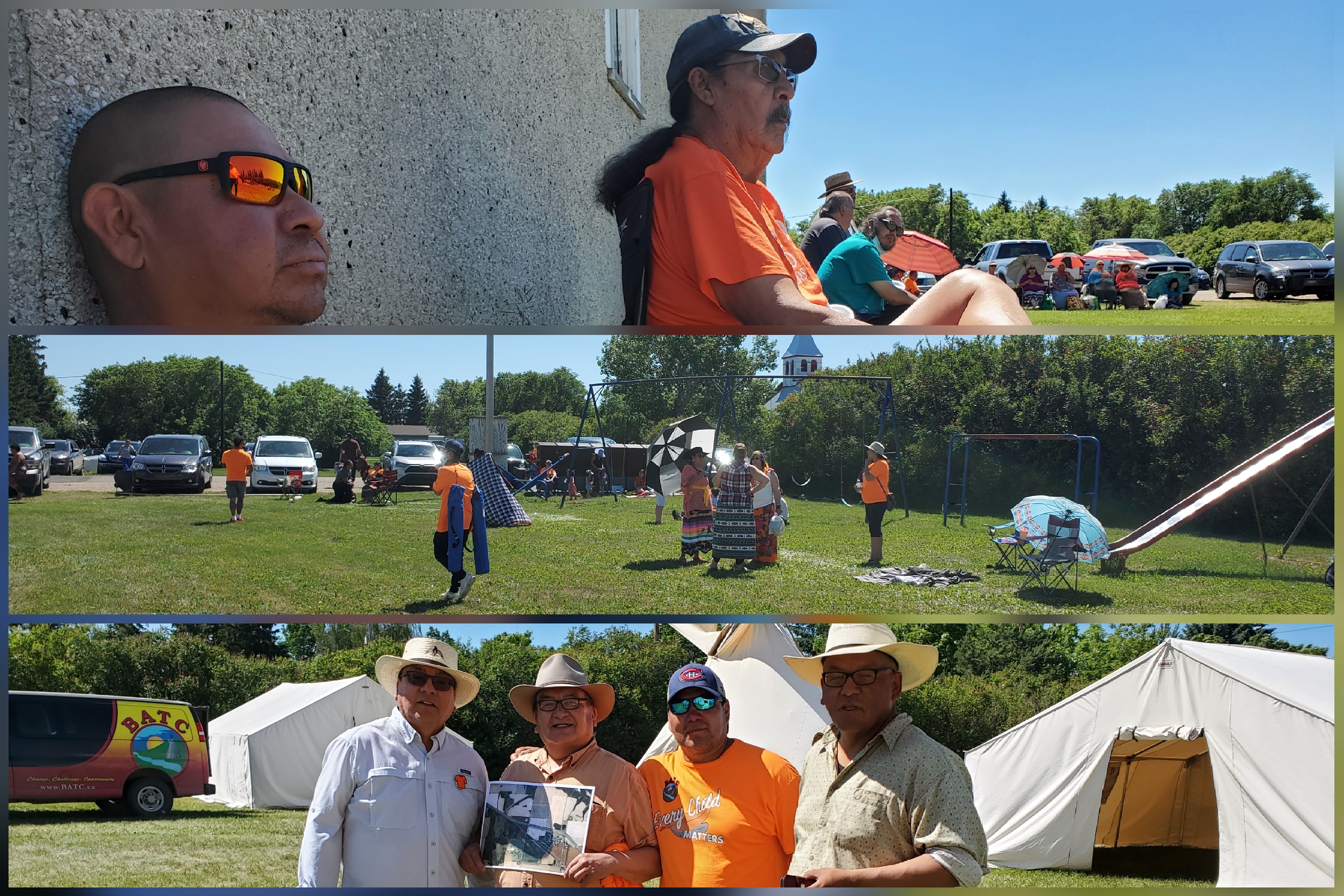
Monday's ceremonies for the missing children of the Delmas Residential School brought many emotions to the forefront for the residents of indigenous communities in the region. (submitted/BATC)
Important moment

Indigenous leaders reflect on past, present

Jun 30, 2021 | 10:03 AM

The painful history of Residential Schools in Canada is ever-so present for the indigenous community, while there’s hope that the stories of the past month can finally create change.

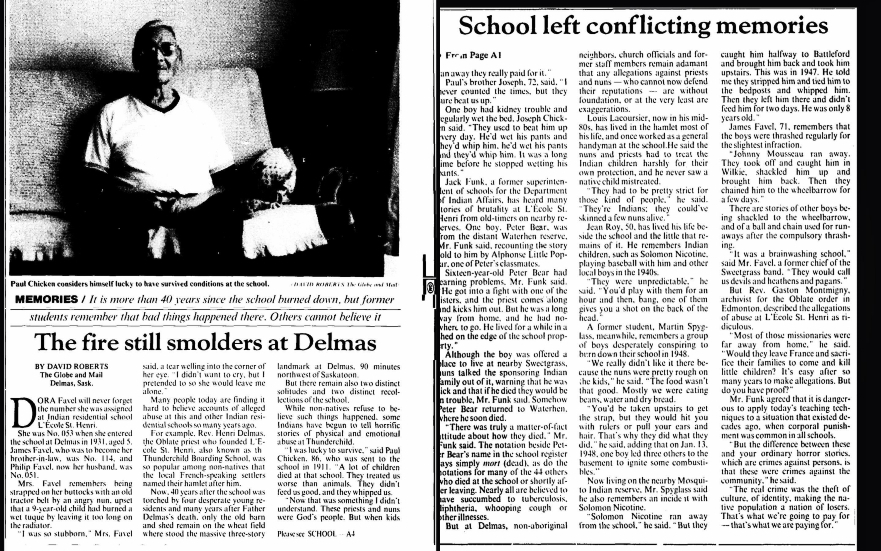
During the Pipe Ceremony and Feast for the children of the St. Henri Residential School in Delmas that burned to the ground in 1948, local indigenous leaders reflected on the discoveries of the past month and the feeling it’s brought up amongst their people. Chief Kenny Moccasin of Saulteaux First Nation said he came into the day with a heavy heart, made even heavier once on the site. However, he added that the days actions were necessary for both his people and the lives lost.

“We did the pipe ceremony to bring prayers and strength for everyone affected by that school system and bring home the young ones that could be found,” he said.

Moccasin talked about the importance of the Elders sharing their stories and the impact their experiences had. Hearing recollections of abuse and isolation were hard, but important to for everyone to understand, especially when contrasted with today.

“We weren’t able to speak our language and practice our culture,” Moccasin said. “We didn’t have playgrounds. We had mass graves.”

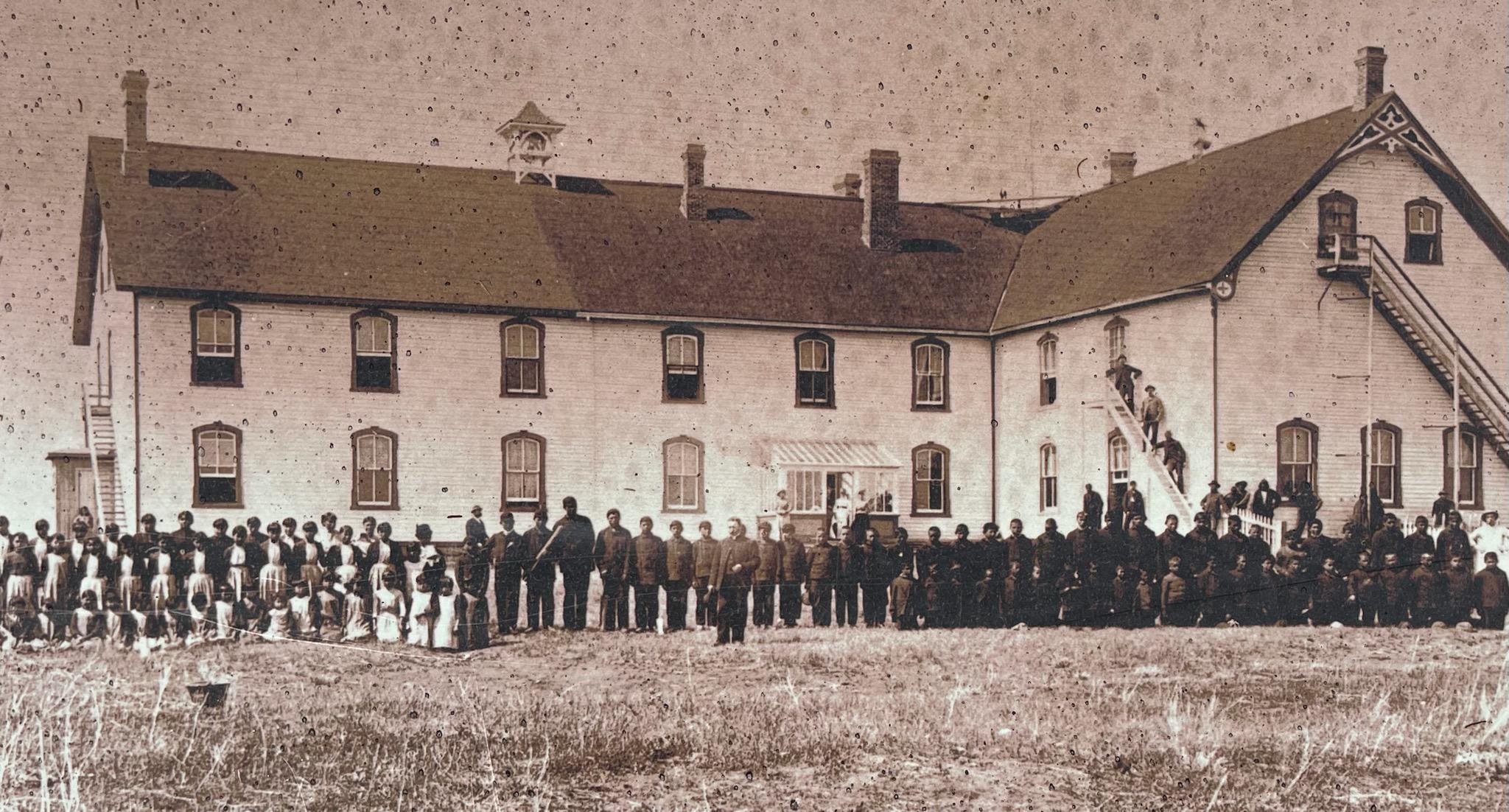
(submitted/Milton Tootoosis)

Since the terrible news of hundreds of unmarked graves in Kamloops, BC, and in Cowessess First Nation, Moccasin said the continued search across Canada has made this a sad time. However, he said Monday was also encouraging.

“It felt good to have ceremony in this area for our young people,” he said.

With the prayers and guidance of Elders, Moccasin believes they can continue to share this history and educate young ones.

“I hope we can come together and heal and work together,” he said. “Everyone in society.”

Nearly 150 were present at the ceremonies held by the Delmas Residential School site. (Josh Ryan/battlefordsNOW)

Hard to process

Chief James Snakeskin of Thunderchild First Nation agreed that emotions are still raw whenever thoughts turn to the injustices of the past, particularly those that have occurred to many families that have roots from when there were still Residential Schools.

“At first there’s anger,” he said. “But as more people talk, the more people understand that we’re trying to find a common goal.”

The St. Henri Residential School is located on what was originally Thunderchild land. Other sites in the region include St. Anthony’s and St. Barnabas Indian Residential Schools in Onion Lake and the Battlefords Residential School, located at The Ridge – Mgbhlm Economic Development.

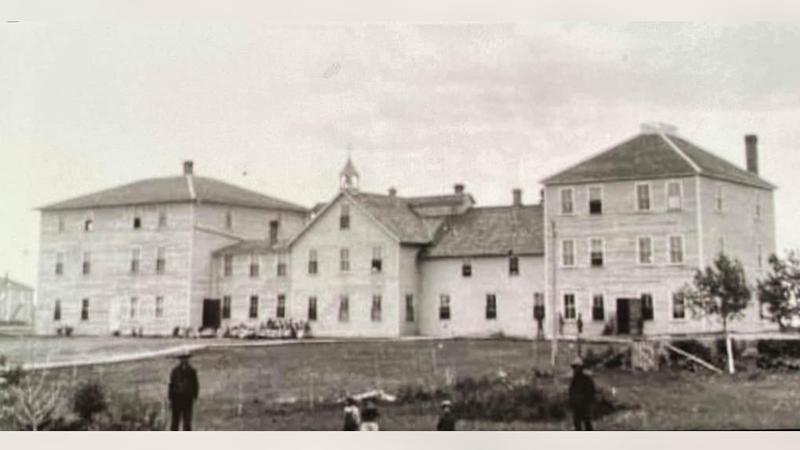
The Battlefords Residential School. (submitted/Milton Tootoosis)

When asked about how to move forward, Snakeskin said right now what’s most important is for indigenous people have the time to grieve. Then, it’s time to make sure that this remains present in the national discourse and similar occurrences are brought to the forefront.

“We need to make sure society is made aware of things that happened in the past, so we don’t make those mistakes in the future,” Snakeskin said.

He added that planning for that future will require coordination between each First Nation, given the widespread effects of history and of how recent news will impact all residents. In doing so, building relationships is critical, between each band and with local communities.

“We have to be aware of each cultural identity and have everyone work together,” Snakeskin said. “That’s what our Elders have always tried to tell us. The first reaction is [often] anger, but then we have to start working collectively.

Search underway

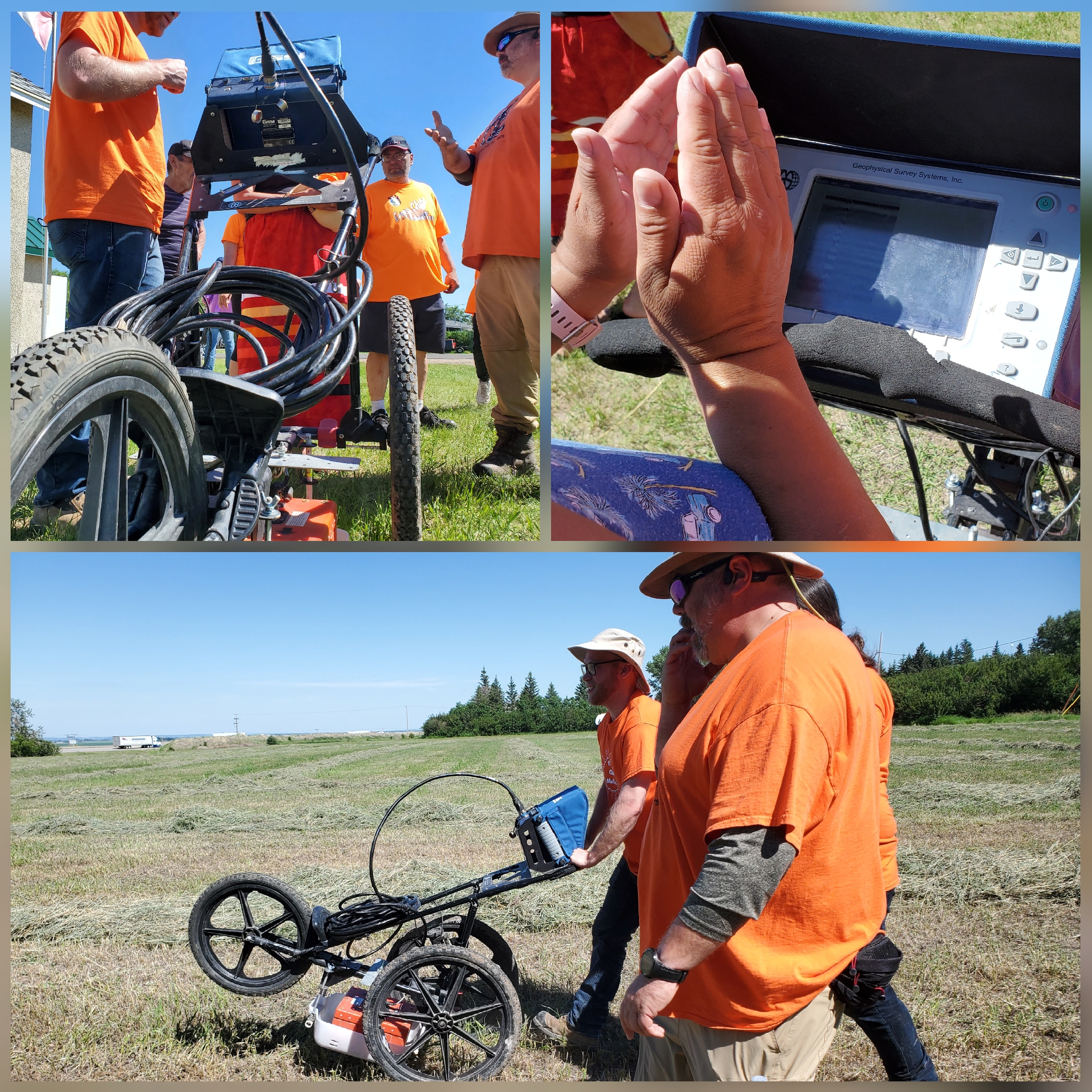
A Ground Penetrating Radar team went over the original site of the residential school that was in Delmas. (Josh Ryan/battlefordsNOW Staff)

Following the ceremonies, SNC Lavalin began a search for unmarked graves on the land where the Delmas School once stood. Karen Whitecalf of the Battlefords Agency Tribal Chiefs said completion of those customs was required to proceed.

“Before the search, the Elders said we had to follow protocol by doing the pipe ceremony and the feast, which represents feeding the children,” she said. “[This is critical] to find any unmarked graves that might be out there.”

Whitecalf is from Thunderchild First Nation, but married into Sweetgrass First Nation, which neighbours Delmas. Reaching attendance limits of the event reached was something that she and other members there weren’t sure they would see.

“It just, touched my heart,” she said. “It’s the start of something big, something new, with major healing.”

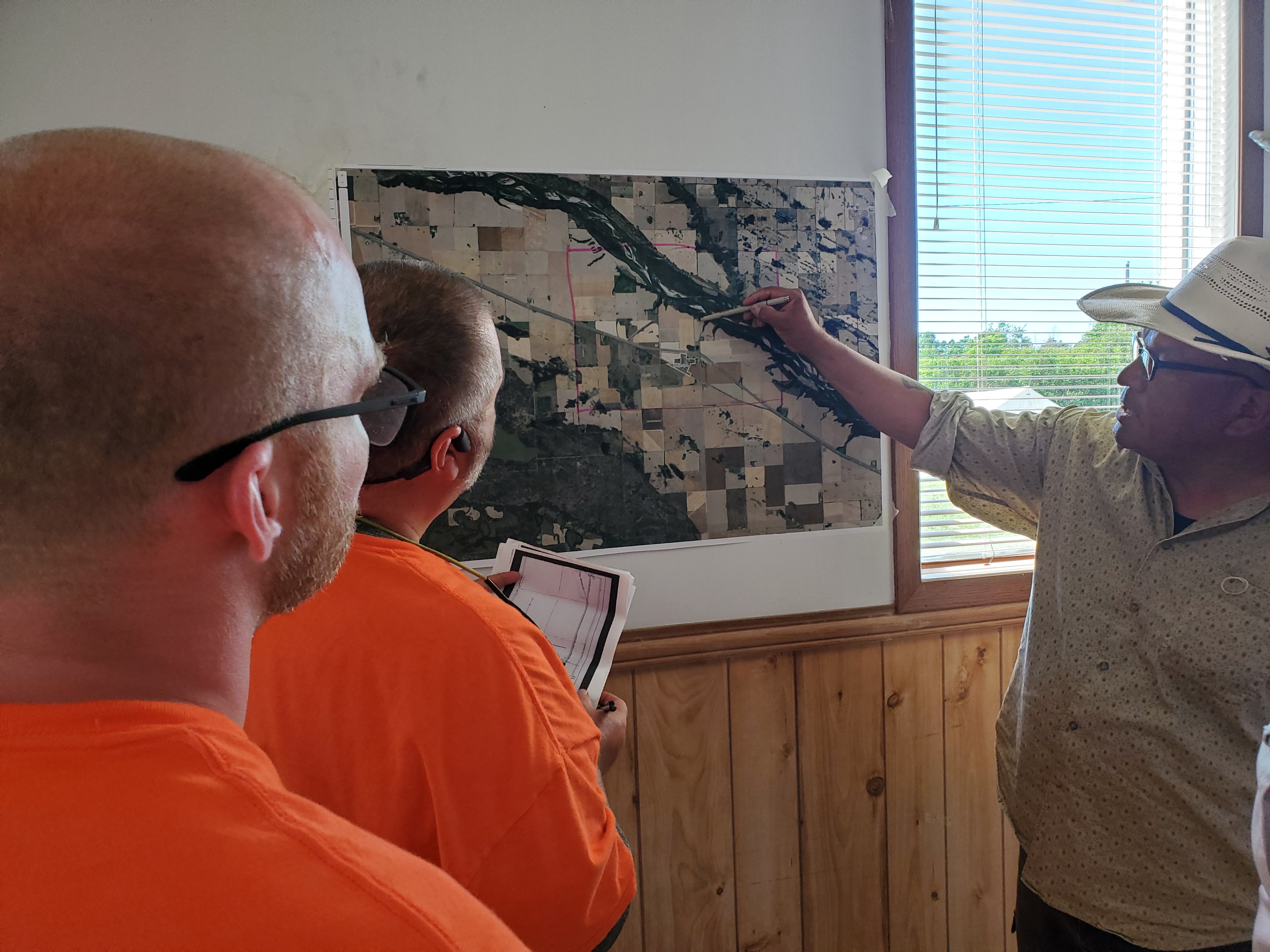
Mapping out the areas for the search. (Josh Ryan/battlefordsNOW)

Continue to discuss, educate

Chief Bradley Swiftwolfe of Moosomin First Nation was also encouraged by Monday, particularly in how it’s compared to other ceremonies in the past.

“Usually when we start something of significance it seems like a small group first,” he said. “As time progresses, it always seems to grow, so I’m very happy to see this level of participation today. We’d like to have some closure for some of the families and try to close this chapter on this part of our history.”

Many children were in attendance, which Swiftwolfe said is important for the future.

“It’s good to see the children are out here with the older folks, learning the protocols,” he said. “There’s lots of things that our young people have to follow.”

Swiftwolfe’s experience is unique to some members of the indigenous community, that he, along with the rest of his family, had their upbringing in the Catholic Church. His grandparents were in residential schools, but didn’t have the same horrific experiences that others had and his family remains Catholic to this day. He also spent his first few years of post-secondary education learning about the many issues in Canada’s treatment of indigenous people’s historically.

Because of that, he said it’s important not to wholesale everything about the Canadian Government and the Catholic Church is wrong.

“It’s not all bad out there,” he said. “Everywhere you look there’s always an abuse of power and unfortunately those people who were in charge at the time abused theirs, excessively.”

Moving forward as each First Nation processes these discoveries, Swiftwolfe believes it’s important to continue shedding light on indigenous history, one filled with many injustices.

“My early years of university studying policies really showcased how we’ve been treated for a long time,” he said. “It’s good to expose some of those truths and educate people locally and globally.”

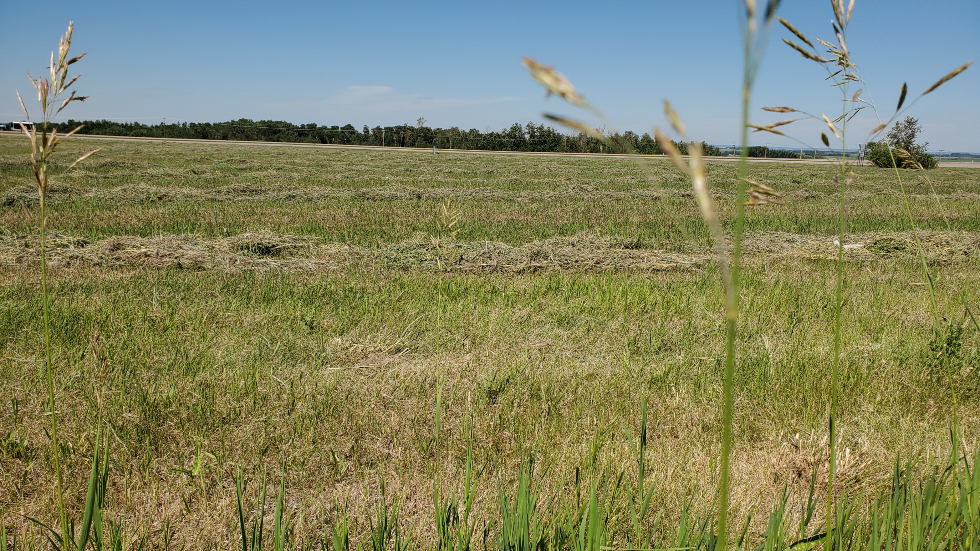
The original site of the St. Henri Residential School. (Josh Ryan/battlefordsNOW)

josh.ryan@pattisonmedia.com

On Twitter: @JoshRyanSports