Click here to sign up for our free daily newsletter

Art exhibit touring Sask. demonstrates beauty of muskegs

Sep 17, 2025 | 6:00 AM

Peatlands, also commonly known as muskegs, are an important part of the eco-system in Northern Saskatchewan and many other parts of the world. They not only provide a crucial role in maintaining the carbon capture cycle where they exist, but they are also essential to the plants and animals native to these regions, as well as the people who rely on them to continue their traditional way of life.

The following is part of a four-part series of articles that focus on peatland and the impact they have on us all.

Vanessa Hyggen couldn’t help but feel a sense of reverence while creating her exhibit ôma askiy âpacihcikâtîw (this land is in use), which is now touring the province as part of the Organization of Saskatchewan Arts Councils.

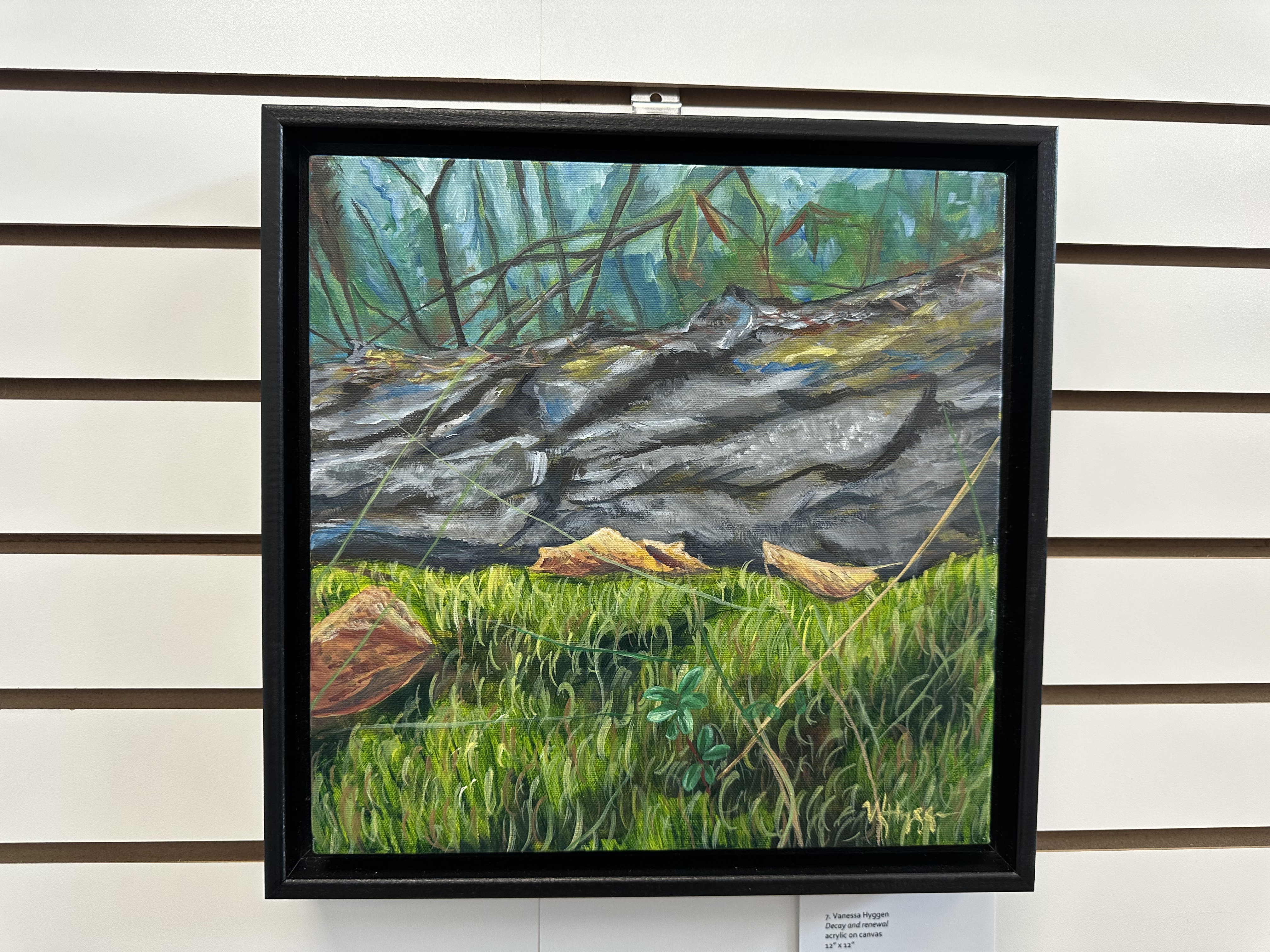
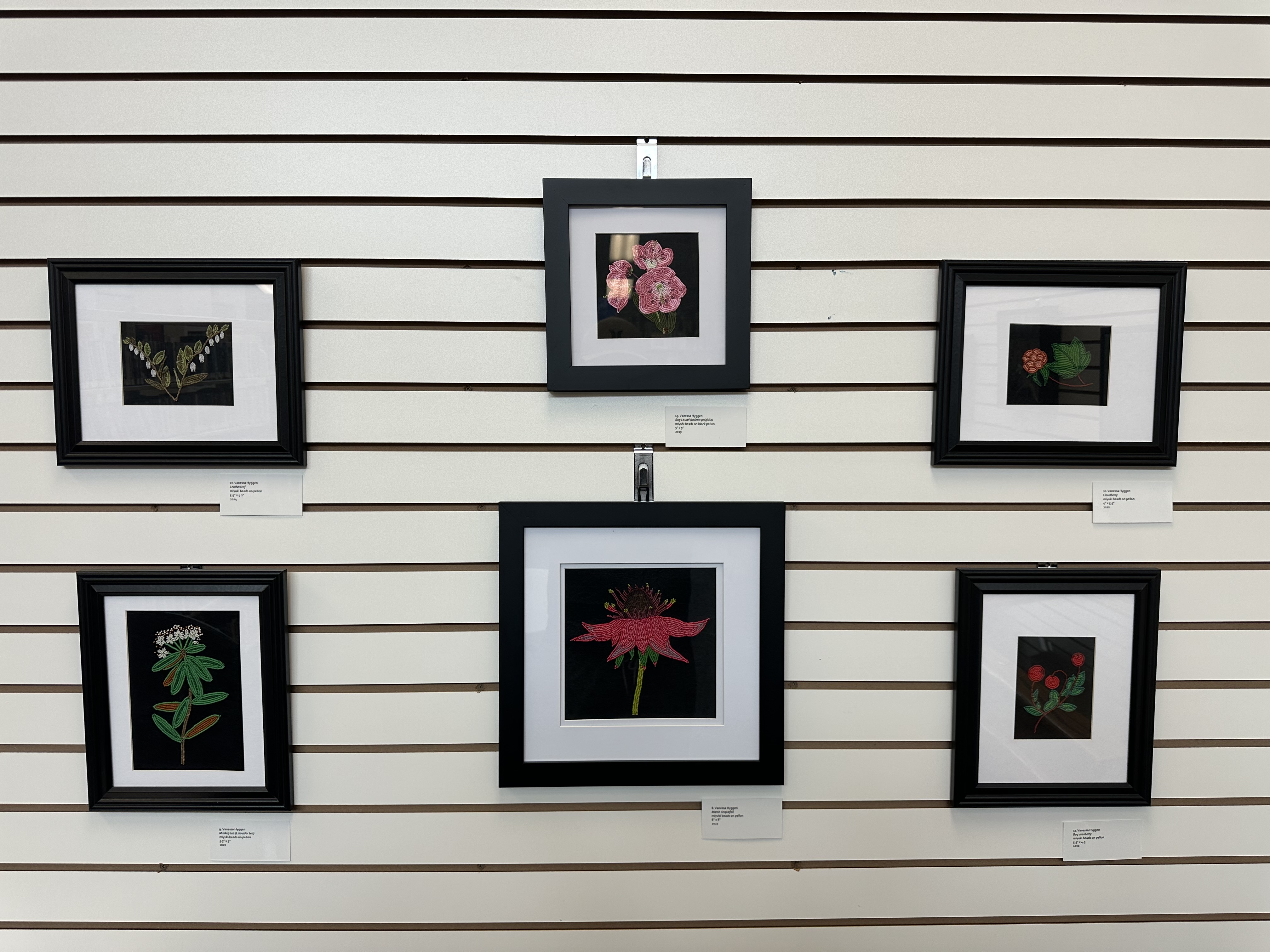
Her body of work consists of nine paintings and six pieces of beadwork that highlights the diversity, beauty, importance and plight of Northern Saskatchewan muskegs. Land conservation and land sovereignty are at the heart of her exhibit with her artwork focusing on the richness and threats to the land.

“I am really happy people will hopefully be able to learn about muskegs because there are a couple of muskegs in the south, but it’s really more of a Northern Saskatchewan thing,” Hyggen, who is a Lac La Ronge Indian Band member, explained.

“I think it is really important for people all over the province to learn about places like this. One way it is easy to help people from the South understand the importance of it is through the amount of smoke everyone has been experiencing these last few summers. Muskeg is a really important part of the ecosystem and helps to slow down fire. If you drive up North, you see there is scorched earth right up to muskegs.”

Hyggen is a member of the activist group For Peat’s Sake, which formed in the Lac La Ronge area in 2020 following a proposal from a Quebec-based company wanting to engage in peat moss extraction. Peat moss is a major component of a muskeg ecosystem.

In their effort to raise awareness of the importance of peat moss, the activist group began organizing walks in areas marked for extraction to teach themselves and others what the land has to offer.

The entire exhibit took Vanessa Hyggen about two years to complete. (Derek Cornet/larongeNOW Staff)
Land conservation and land sovereignty are at the heart of her exhibit with her artwork focusing on the richness and threats to the land. (Derek Cornet/larongeNOW Staff)
“Just through all of this work and bringing people out into the muskeg and taking them for walk and teaching them. I just thought I really wanted to honour that space and think about, if this project does go through and if these spaces are taken, I wanted to be able to document the spaces and just show people how special they really are,” Hyggen remarked.

During those walks, Hyggen would take a couple hundred photos of not only the landscape, but as well as the plant and animal species which thrive in the muskeg. She would take close range images and then bring them back to her studio and narrow down what she was going to use in the show.

“I am a painter and a bead artist and I do love both, so I couldn’t just pick one or the other. I feel like each medium can show pieces differently,” Hyggen said.

“Painting is kind of nice because you can show what the environment looks like more accurately, but beadwork is really cool to be able to show the plants that are in the area. I really love both ways of making and they are both very different.”

The entire exhibit took Hyggen about two years to complete, and while she was working on the project, she felt a sense of reverence.

“Peat grows at a rate of one millimeter per year, so it’s a very, very slow growing environment, and when you’ve got meters and meters of spagnum moss and the different types of plants that grow in that area, it just shows how ancient the landscape is,” Hyggen said.

“It really brought a feeling of reverence and a kind of sadness too that people don’t know about these spaces and a company from Quebec could come and just take that all away so quickly.”

ôma askiy âpacihcikâtîw (this land is in use) began touring Saskatchewan early this year, which included a stop in La Ronge during June and July. Beginning Sept. 1, it will spend a couple months in Shaunavon before being displayed in another 14 communities by the time the tour ends in August 2028.

derek.cornet@pattisonmedia.com