Click here to sign up for our free daily newsletter
Mistahi Maskwa (Big Bear), centre, trades at Fort Pitt in 1884. Big Bear was a prominent Cree leader who advocated for peace and resisted signing Treaty 6 until 1882. (Image Credit: photo by O.B. Buell, courtesy Library and Archives Canada/PA-118768)
shared promise

‘We still have a long way to go’: Treaty 6 relationship examined 150 years on

Aug 19, 2026 | 12:25 PM

“When I hold your hand and touch your heart, let us be as one; use your utmost to help me and help my children so that they may prosper.”

Chief Sweetgrass offered those words to Crown negotiator Alexander Morris as he stepped forward to sign Treaty 6 at Fort Pitt on Sept. 9, 1876, according to Crown-Indigenous Relations and Northern Affairs Canada.

A century and a half later, the relationship envisioned in those words is still being learned, understood and lived.

For Dr. Kathy Walker, commissioner of the Office of the Treaty Commissioner (OTC) in Saskatchewan, that work is also personal.

Much of what she learned about treaties came not from a classroom, but from Elders, knowledge keepers and leadership while growing up on Okanese First Nation.

Through them, she said, treaty history – particularly its oral history, spirit and intent – was kept alive across generations even as it was largely silenced and marginalized in mainstream education.

Now, as Treaty 6 marks 150 years, Walker sees a different landscape: gatherings across the territory, students learning about treaty beyond the classroom and organizations seeking a better understanding of their shared history.

But she does not see the work as finished.

“While there are some promising developments, I think we still have a long way to go.”

Walker said First Nations deserve recognition for preserving treaty knowledge through generations, with Elders continuing to pass it on to future leaders through gatherings.

“This is the truth, and you need truth before you can have reconciliation,” she said.

Fifty-four First Nations agreed to or later adhered to Treaty 6. They are situated across lands that later became Saskatchewan and Alberta, with two Treaty 6 First Nations in Manitoba. The treaty was negotiated between the Crown and Ojibwe, Cree and Assiniboine leaders and signed in 1876 at Fort Carlton and Fort Pitt.

For Walker, however, the anniversary is about more than looking back. It is also a measure of how well the history – and the relationship created through the treaty – is understood today.

“There definitely needs to be more education on the truth of our shared history,” she said. “There needs to be Better understanding amongst everyone that we’re all treaty people.”

Saskatchewan has had a provincial mandate since 2008 to teach treaties from kindergarten through Grade 12. Walker said the OTC has also convened a steering committee of education leaders to identify barriers and challenges to implementing that mandate.

She pointed to recent initiatives as signs of progress.

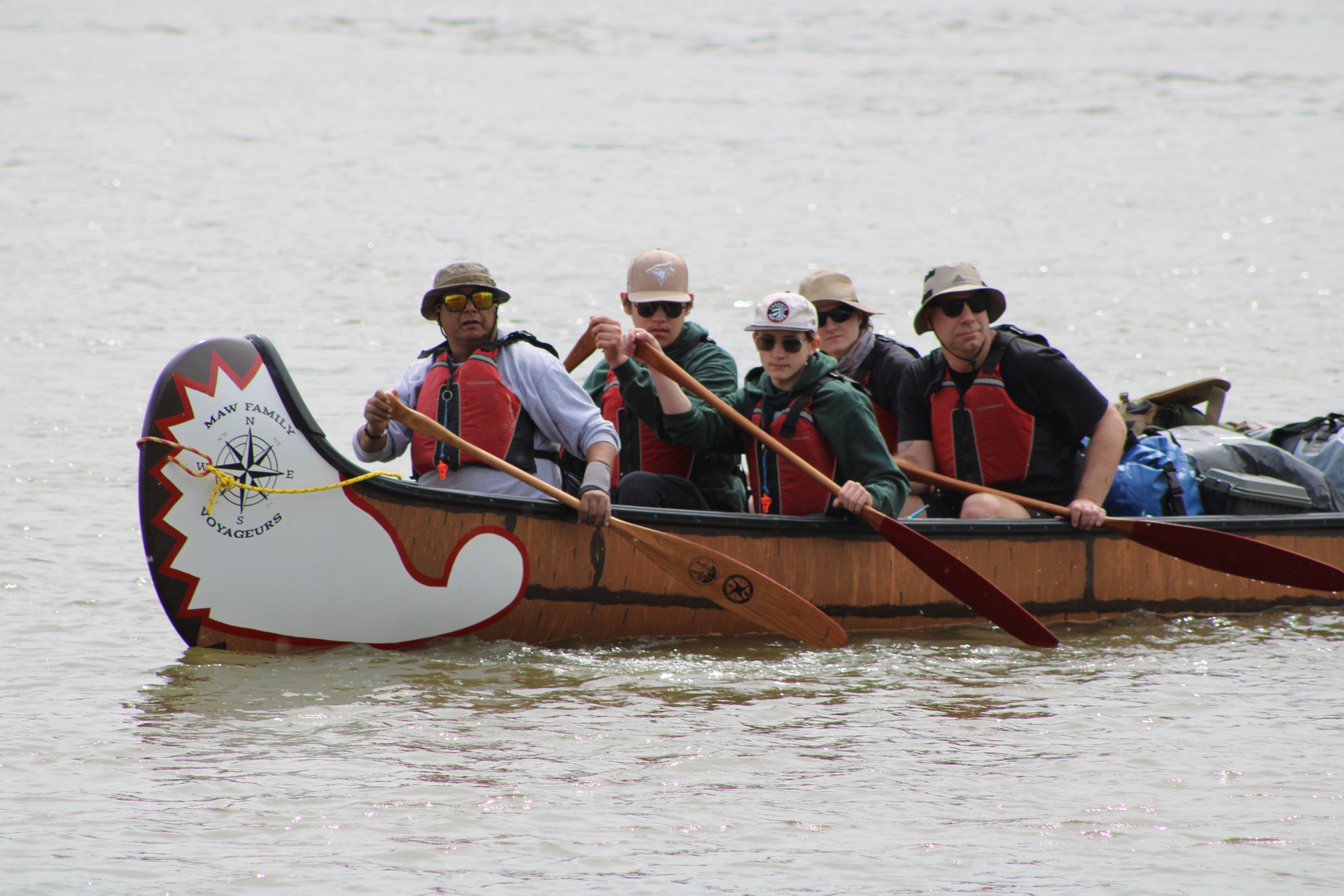
In Lloydminster, one school division organized a multi-day canoe trip for senior high school students travelling to Fort Carlton, while Saskatoon Public Schools held a round dance in June for students from kindergarten to Grade 6 to commemorate the anniversary and learn about Treaty 6.

Students and staff members paddle on the North Saskatchewan River during a 348-kilometre canoe journey between Fort Pitt and Fort Carlton, marking the 150th anniversary of Treaty 6.
Students and staff members paddle on the North Saskatchewan River during a 348-kilometre canoe journey between Fort Pitt and Fort Carlton, marking the 150th anniversary of Treaty 6. (Image Credit: Lloydminster Public School Division)

Regina Public Schools has signed a memorandum of understanding with the OTC that includes professional development for teachers. Walker said treaty education efforts are also underway through Saskatchewan universities, while nonprofit organizations and private businesses have approached the OTC seeking opportunities for employees to learn about shared treaty history.

But knowing the history is only part of what Treaty 6 means, Walker said.

She described the treaty as a framework for First Nations and non-First Nations people to live together in respectful relationships, grounded in equality, peace, friendship and harmony.

“So I guess the short answer would be being a good treaty person is about truly living the treaty relationship.”

Asked what that can look like in everyday life for non-Indigenous people, Walker pointed to respect, listening, and the spirit of peace and friendship.

“We can all do those things every day.”

She said the treaty relationship also requires continuing dialogue and relationship-building so problems can be addressed together.

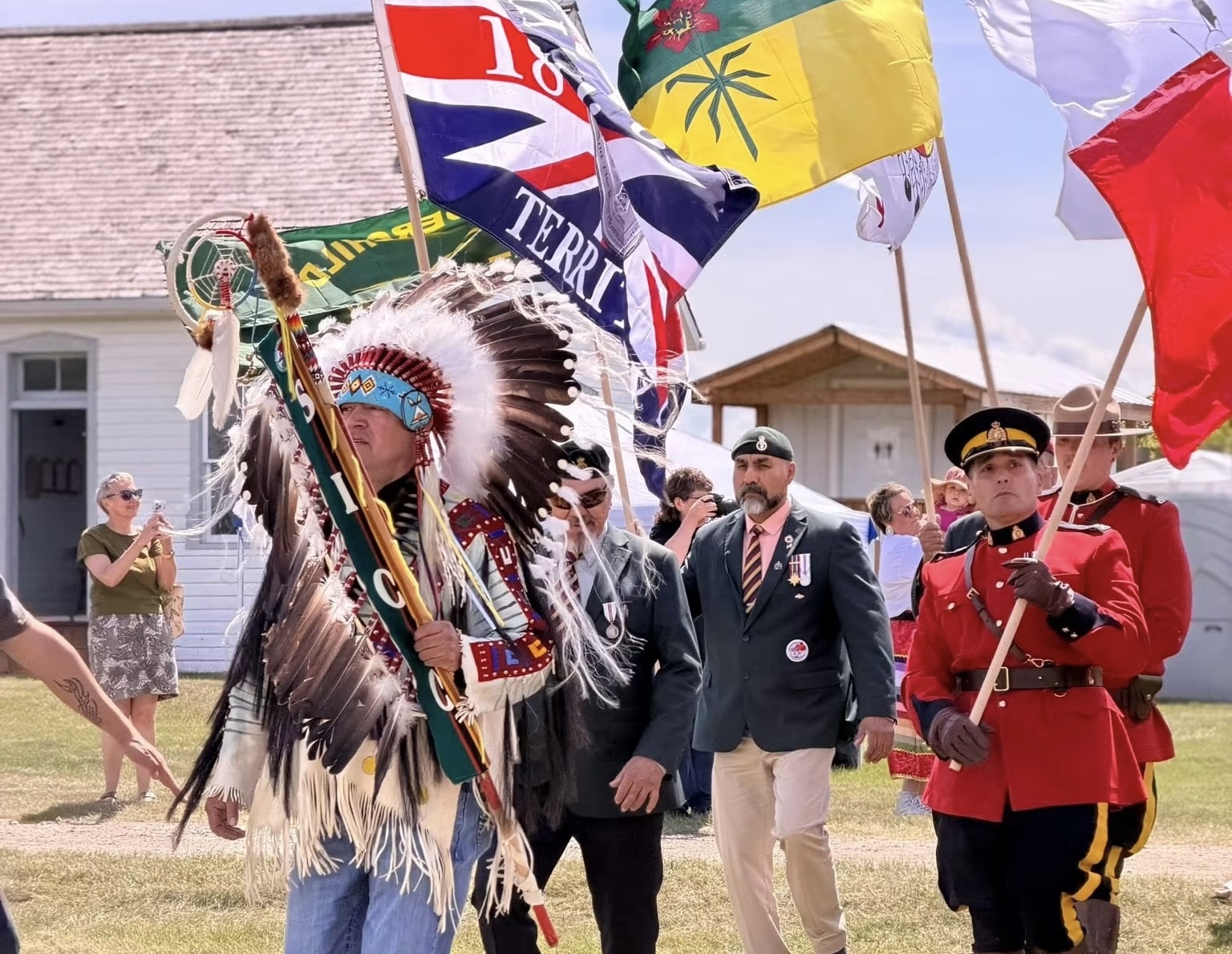
Treaty 6 celebrations take place at Fort Battleford National Historic Site on June 20, 2026
Treaty 6 celebrations take place at Fort Battleford National Historic Site on June 20, 2026 (Image Credit: City of North Battleford)

Government participation in the 150th anniversary has also drawn attention across the Prairies.

In Alberta, Grand Chief Joey Pete of the Confederacy of Treaty Six First Nations recently called for greater respect from the provincial government after Alberta’s Indigenous Relations minister missed a major event commemorating the anniversary.

Asked about Saskatchewan’s approach, Walker offered a more positive assessment.

She said Premier Scott Moe and several ministers plan to attend the upcoming commemoration gathering at Fort Carlton and have been supportive of the event.

“So you know the fact that they’re showing up, I think, is a really good sign that they are taking treaty seriously,” Walker said.

The work surrounding the anniversary will continue after the gatherings are over.

Walker said award-winning Treaty 6 First Nation filmmaker Tasha Hubbard is documenting the gathering for a documentary expected later this year. The OTC also plans to make a digital archive available featuring Treaty 6 elders and knowledge keepers speaking about the treaty’s oral history.

The original Treaty 6 parchment will also be displayed at Fort Carlton, which Walker said will mark the first time it has been displayed in the territory.

She said the manuscript will later travel to Onion Lake, to the site where Treaty 6 was agreed to at Fort Pitt, and to Beardy’s Campsite, another place connected to the treaty agreement. The treaty manuscript and the Enoch adhesion will also be displayed in River Cree territory.

Beyond the anniversary, Walker said the OTC will continue working to strengthen the treaty relationship between First Nations and the Crown, provide treaty education and awareness and conduct research aimed at building common understanding of treaty issues.

One hundred and fifty years after Chief Sweetgrass spoke of helping future generations prosper, Walker’s message is that the treaty cannot be confined to its history.

Its relationship still has to be understood and lived.

Kenneth.Cheung@pattisonmedia.com