Click here to sign up for our free daily newsletter
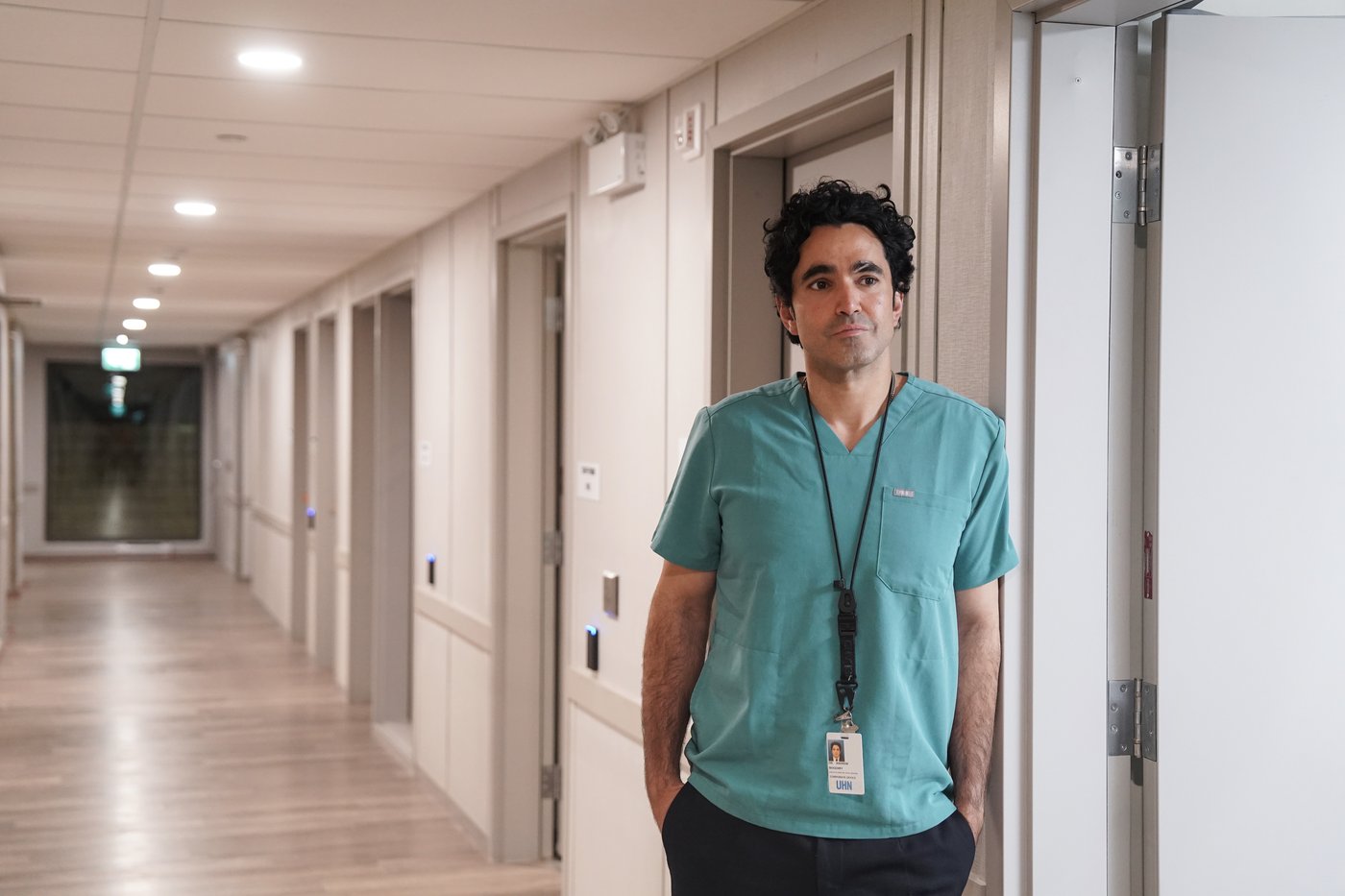
Dr. Andrew Boozary, of UHN, is photographed at the site of a new Social Medicine Housing Initiative in Toronto on Wednesday, October 2, 2024. THE CANADIAN PRESS/Chris Young

Diverting intoxicated people from ER to recovery program ‘transformative’: study

Sep 16, 2026 | 10:35 AM

TORONTO — A new study suggests diverting intoxicated people from emergency rooms to a safe recovery space can help free up valuable health care resources and offer more suitable care.

The study, published in the Canadian Journal of Public Health this week, evaluated the first two years of a non-medical Stabilization and Connection Centre in Toronto launched in 2022.

The centre was created to redirect people who are intoxicated by alcohol or opioids and don’t require medical attention from the ER to a 10-bed facility with support workers.

The University Health Network program partners with The Neighbourhood Group Community Services and Parkdale Queen West Community Health Centre, who staff the site.


The study said paramedics were on site for a mean of about seven minutes, compared to more than 34 minutes at two nearby ERs.

One of the centre’s founders Dr. Andrew Boozary said that means paramedics were back on the streets much faster.

Less than seven per cent of patients were transferred to hospital from the stabilization centre, which Boozary said shows this approach is safe and catching the people who need it.

More than half of the centre’s 4,500 visits were among people who were homeless. Many were referred to homeless services and substance use care by staff at the site.

“The status quo wasn’t working for the way the system was responding to many of the alcohol intoxication and opioid overdoses, especially for people who are experiencing homelessness,” Boozary said.

Dr. Kate Hayman, medical director of the emergency department at Toronto General Hospital, said the impact of diverting patients who are medically stable from the ER is “transformative.”

“Every person who had an admission to the SCC would have been a patient admitted to our ED,” Hayman said.

That amounts to about six less people per day in the ER who each would have spent four or five hours there, she said.

“It enabled us to provide more focused care for people who maybe have more severe overdoses, as well as people with other kinds of emergencies, strokes, heart attacks,” Hayman said.

The study also found the length of stay at the stabilization centre was significantly longer, with a mean of more than 10 hours, compared to just over 8 1/2 hours in the ER.

Florencia Leston, director of community health services at the Neighbourhood Group, said that longer stay is by design.

Patients can spend up to 24 hours at the centre, where they can sleep, shower and eat. There are harm reduction and personal support workers on staff, along with a physician-on-call.

Leston said a lot of clients would typically spend hours on a stretcher sleeping in the emergency department.

“Here they have a different opportunity,” she said.

“They are able to actually build some sort of rapport that allows them to start even being curious in changing some of their circumstances. And I think that that’s one of the most valuable things that we are able to actually do in the SCC.”

Leston said she hopes to open admission to more hospitals in future to broaden the community the centre can support.

This report by The Canadian Press was first published Sept. 16, 2026.

Canadian Press health coverage receives support through a partnership with the Canadian Medical Association. CP is solely responsible for this content.

Hannah Alberga, The Canadian Press