Click here to sign up for our free daily newsletter
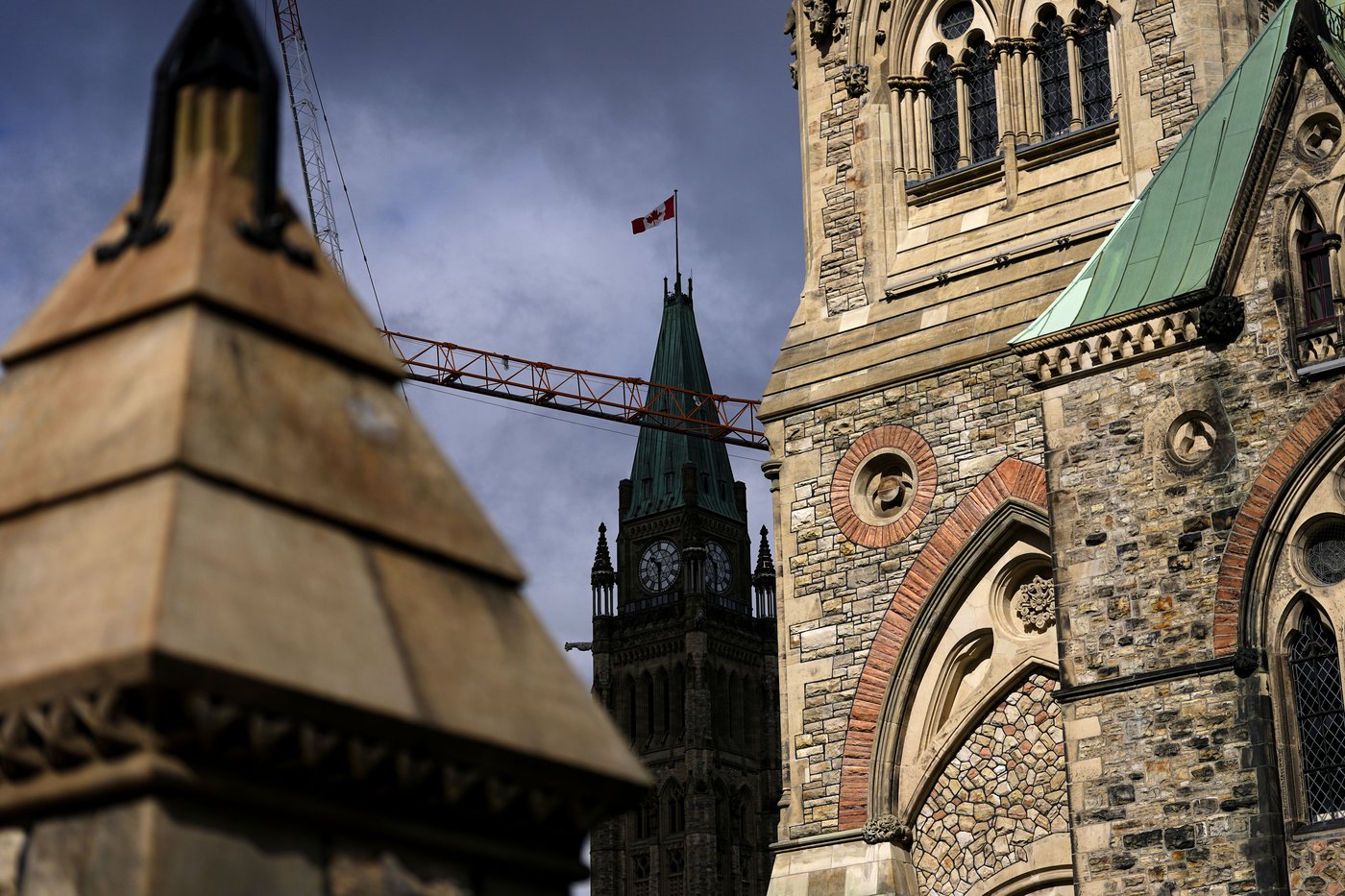
The Peace Tower on Parliament Hill is seen in Ottawa, on Tuesday, Sept. 8, 2026. THE CANADIAN PRESS/Justin Tang

Ottawa won’t say if people misused a now-defunct refugee residency sponsorship policy

Sep 16, 2026 | 10:08 AM

OTTAWA — The Immigration Department refuses to say whether any applicants actually misused a refugee permanent resident sponsorship policy which the government let expire last week, citing “potential integrity concerns.”

The policy offered exemptions to allow certain refugees to sponsor a family member for permanent residency who was not listed on their initial application.

Without this exemption, applicants are permanently barred from sponsoring family members for permanent residency if they were not declared on their original application.

Advocates and academics who pushed for the policy said it was most commonly used to sponsor children and LGBTQ+ partners in countries where those relationships are criminalized.

The policy took effect in 2019 and expired on Sept. 10. Refugee advocacy groups were informed on Sept. 9 the government did not plan to extend the policy.

A 2023 memo prepared for then-immigration minister Marc Miller said most people who did not list a family member did so innocently and the exemption posed a “minimal” risk to program integrity. Miller recommended extending the policy for three years.

That same memo said an applicant might not declare a family member for any one of several reasons — including a child’s birth or a marriage taking place after an application was filed, custody challenges, faulty immigration advice or the stigma associated with a child being born out of wedlock.

Undeclared family members eligible for sponsorship under the former policy included spouses, common-law partners, dependent children and grandchildren.

The Canadian Press first asked the Immigration Department on Monday if anyone had misused the policy.

In an email sent late Tuesday, the department again cited “potential integrity concerns” and said it will consider exemptions case-by-case on humanitarian and compassionate grounds. The spokesperson added the government continues to “examine longer-term options” but offered no specifics.

The Canadian Press asked again Wednesday if anyone had actually misused the seven-year old policy.

“We have nothing further to add,” a department spokesperson said.

“It’s fair to say that Canadians expect immigration programs to be applied as intended. And we take seriously our responsibility to put in place policies that people can trust and that serve them well,” the unnamed spokesperson said.

Advocates have criticized the government for saying that exemptions might still be considered on humanitarian or compassionate grounds. They point out that those applications face waiting periods of more than 10 years, according to the government’s own website.

The Canadian Council for Refugees sent a letter to Immigration Minister Lena Diab last week demanding that she restore the policy. The council said the decision to revert to what it called “the cruelty of the previous situation” was “inexplicable.”

The department has said the best way prevent lengthy or permanent family separation is for all permanent resident applicants to list all family at the time of application.

Government data shows about 2,000 people used the policy between September 2019 and July 2023, with a 90 per cent approval rate. The department said it would take upwards of 10 days to pull more recent application data.

This report by The Canadian Press was first published Sept. 16, 2026.

David Baxter, The Canadian Press